
A Traveler’s Guide to Japanese Pork
Planning your first trip to Japan? Pick your destination to see its pork dish, learn the words on the menu, and use four Japanese phrases when you order.
Travelers keep talking about it. See for yourself.
The fat tastes sweet, with no off-smell
A comment that comes up again and again in English-language write-ups of Tokyo tonkatsu. Japanese producers describe their own pork the same way, and choose feeds — rice, barley, sweet potato, whey — with the fat in mind.
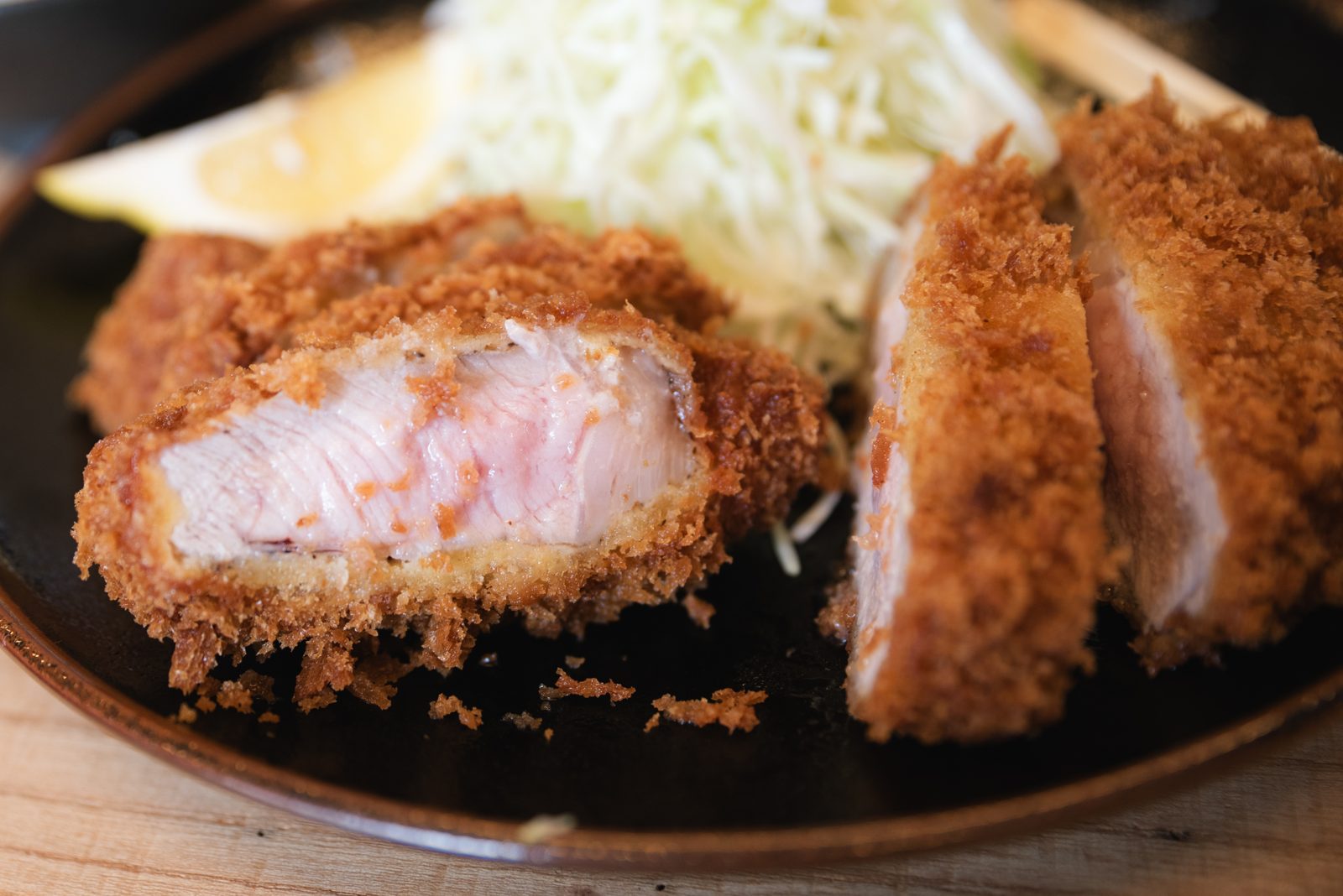
Pale crust, faintly pink center — the signature of a thick cutlet
Thick-cut loin fried low and slow so the crust stays blond and the meat stays juicy. Visitors used to a dark-brown pork chop are often startled at first — then order it again. Pork in Japan must be heated to the national safety standard, and a pink tint can remain after that — but color alone cannot confirm it, so ask if you are concerned.
Four in ten visitors already eat it
In a 2023 survey of 1,200 visitors from five countries, 42% had eaten tonkatsu during their stay and 44% a hot pot such as shabu-shabu. The question is not whether you will meet Japanese pork — it is whether you will know what you are eating.
Read the full story, with sources: What surprises first-time visitors about Japanese pork →
The cutlet, the hot pot and the bowl
New to Japanese pork? Start with these three. First time in Japan? Read what surprises visitors before you go.
とんかつTonkatsu
Thick-cut, panko-crusted pork loin with a mountain of shredded cabbage.
Choosing pork for tonkatsu →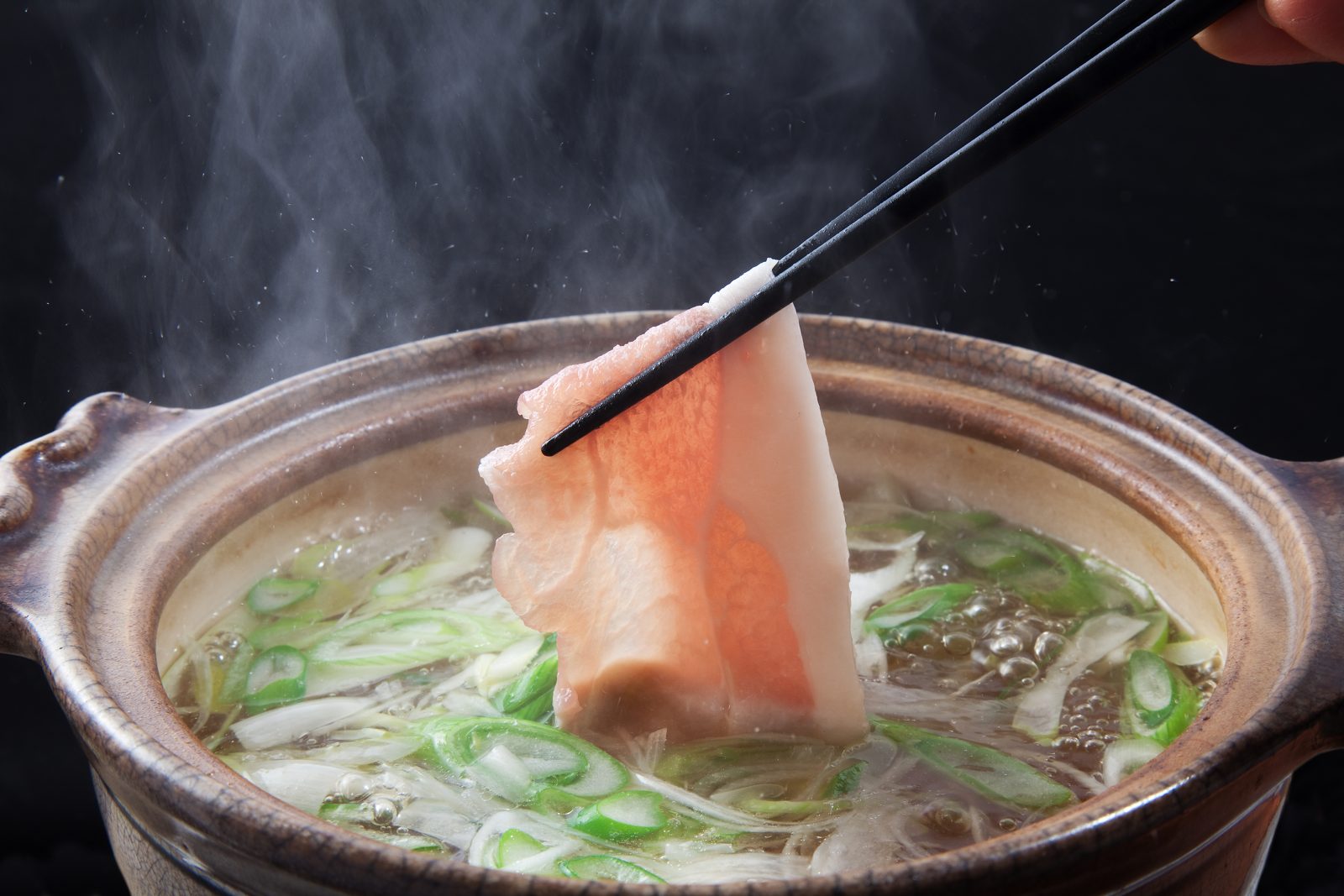 豚しゃぶしゃぶ
Buta shabu-shabu
Paper-thin slices cooked in hot broth until no longer pink — the simplest way to taste a brand pork.
How to eat it →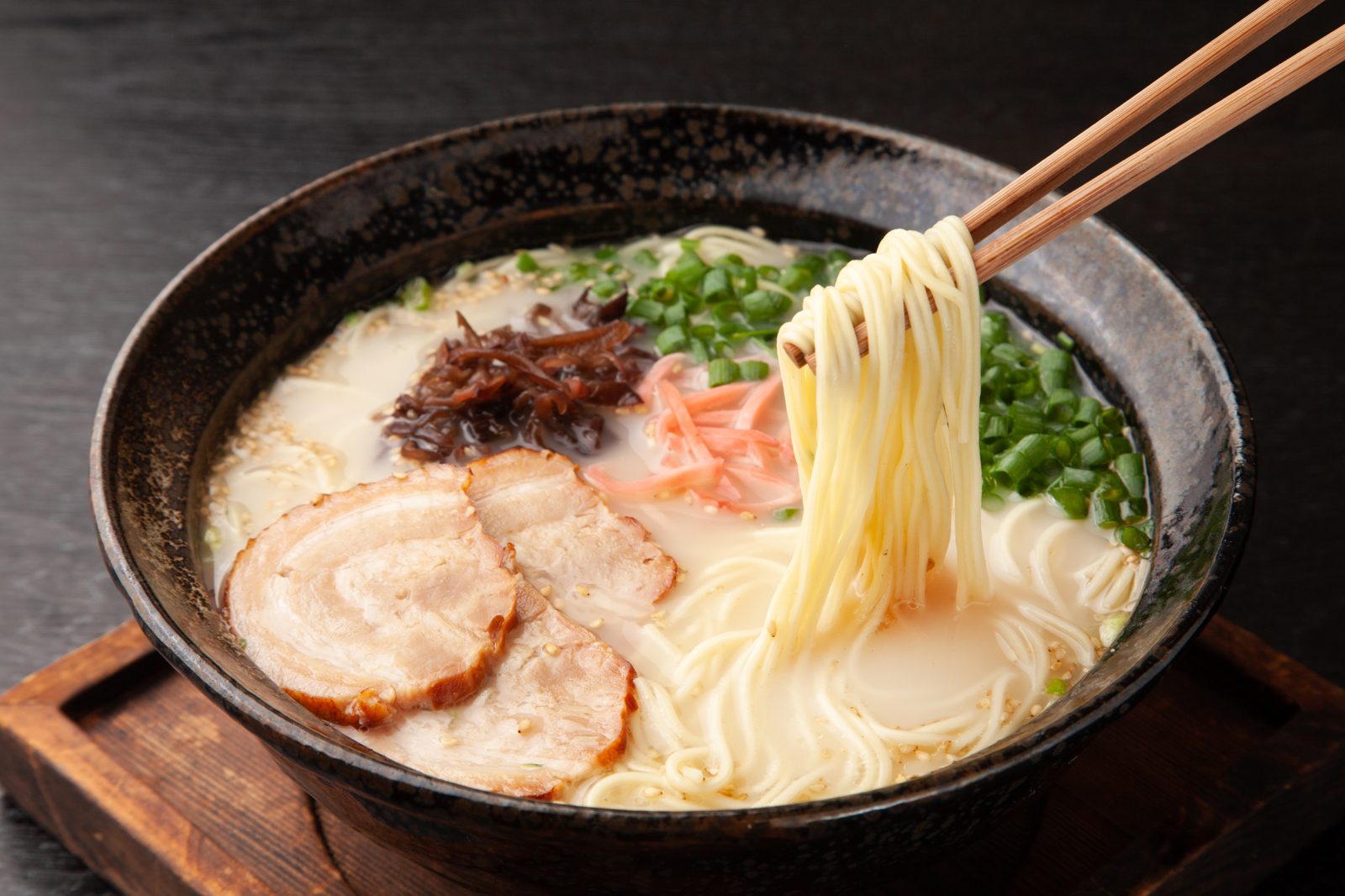 とんこつラーメン
Tonkotsu ramen
Pork-bone broth simmered until creamy and opaque, from Kyushu — topped with sliced roast pork (chāshū).
Kyushu’s pork dishes →Food photos on this page: PIXTA.
Where are you going?
Pick a city. We highlight its region, the pork dish to look for, and the pork brands we profile from there.
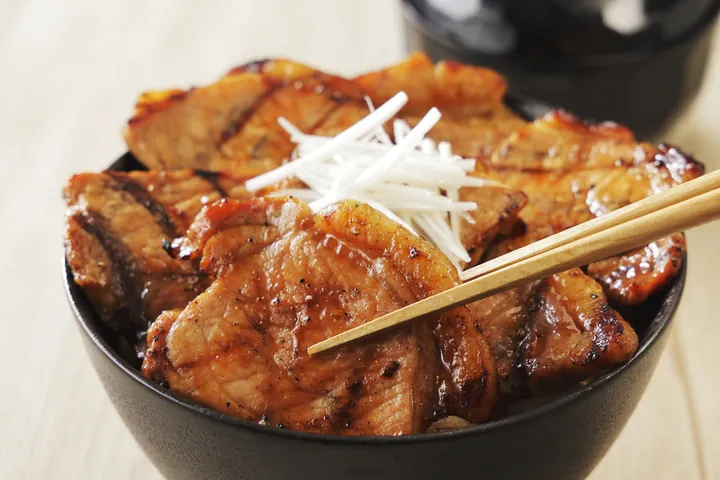
Obihiro butadon — char-grilled pork over rice
Regional dishes → Pork brands we profile from this region: 29 · Hokkaido 29
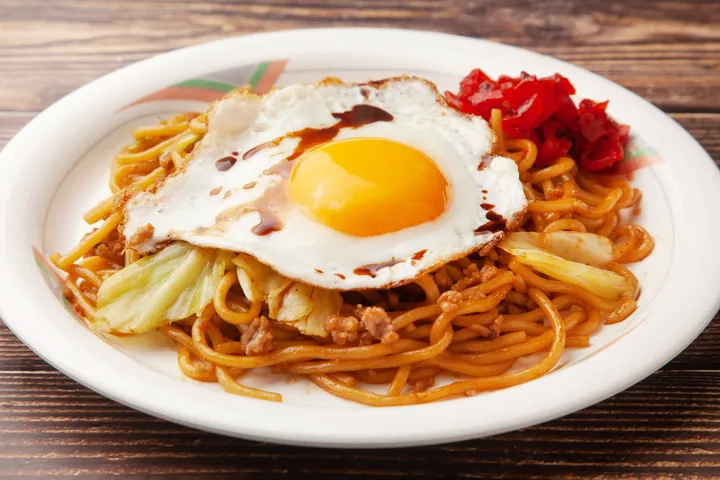
Yokote yakisoba — pork fried noodles topped with a fried egg
Regional dishes → Pork brands we profile from this region: 56 · Iwate 16 · Yamagata 15
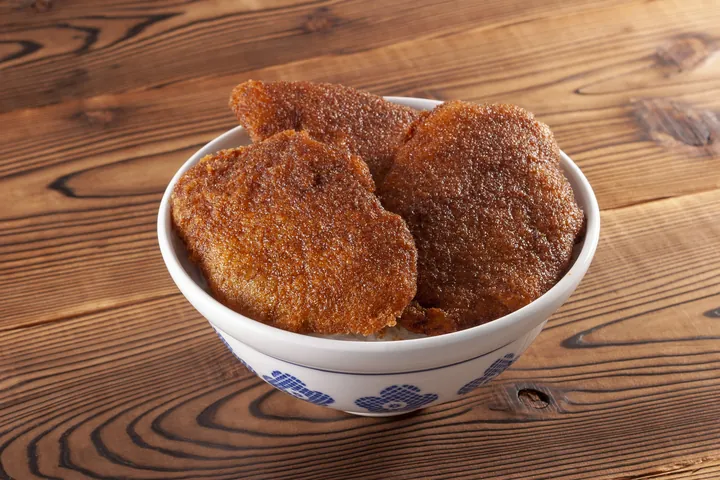
Kiryu sauce katsudon — a pork cutlet dipped in sauce, no egg; Utsunomiya is gyoza country
Regional dishes → Pork brands we profile from this region: 57 · Gunma 28 · Ibaraki 23
Tokyo — tonkatsu specialists and TOKYO X, the capital’s own brand pork; Yokohama — shumai (steamed pork dumplings)
Regional dishes → Pork brands we profile from this region: 51 · Saitama 20 · Chiba 20
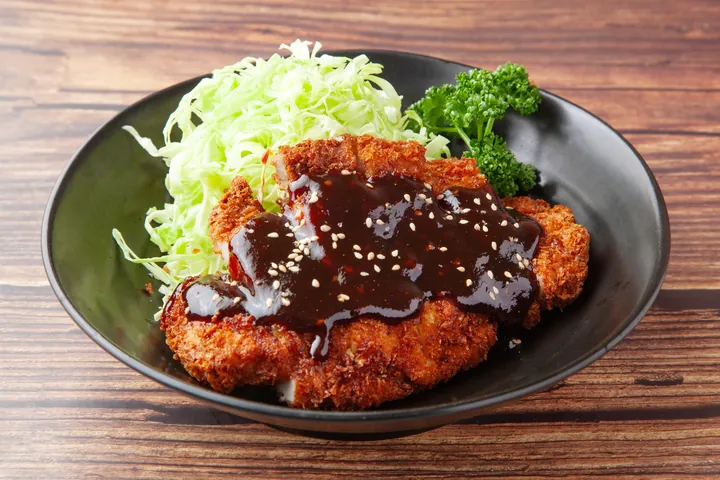
Nagoya miso katsu — a pork cutlet under a dark, sweet soybean-miso sauce
Regional dishes → Pork brands we profile from this region: 72 · Nagano 16 · Shizuoka 15
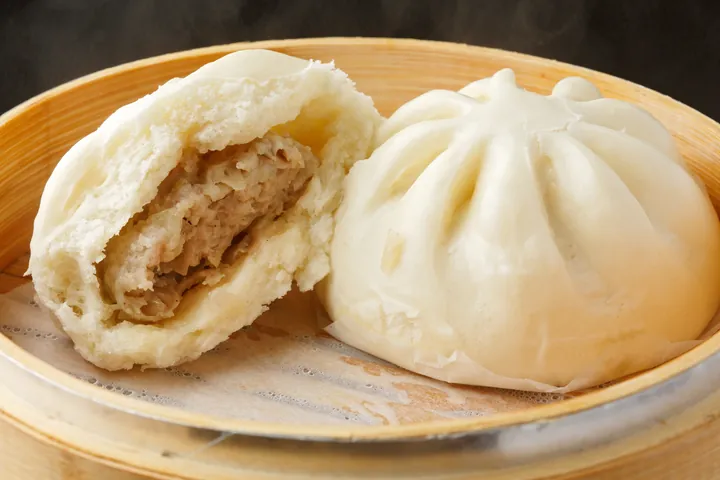
Osaka butaman — steamed pork buns, eaten as a snack or a light meal; Kobe — miso-dare gyoza
Regional dishes → Pork brands we profile from this region: 22 · Hyogo 7 · Mie 5
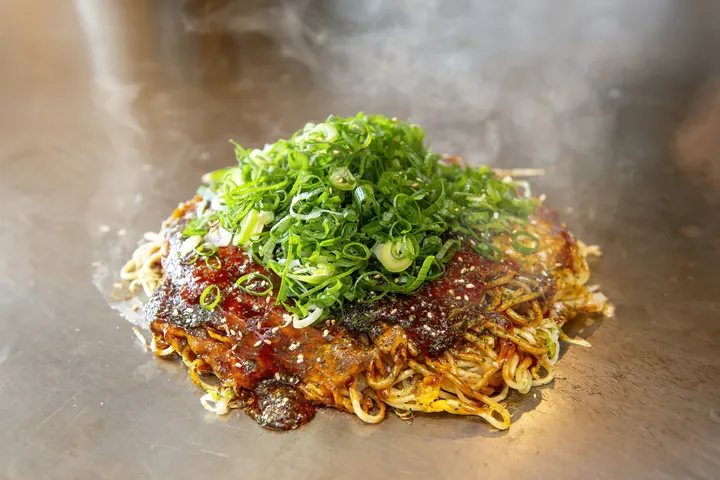
Hiroshima okonomiyaki — a layered savory pancake with pork
Regional dishes → Pork brands we profile from this region: 14 · Shimane 5 · Yamaguchi 4
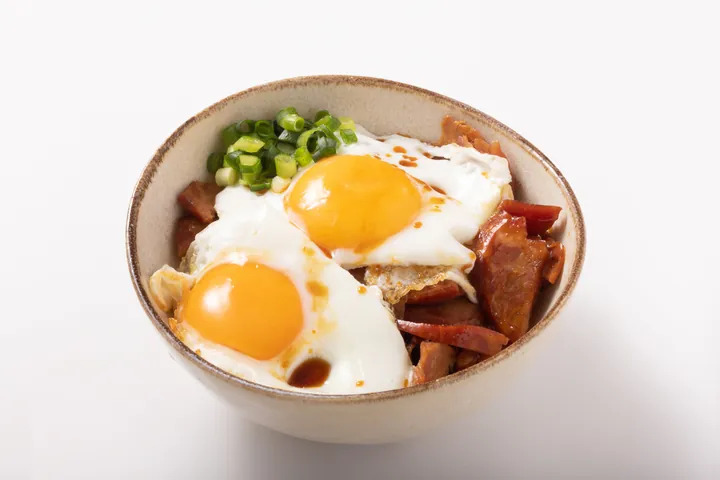
Imabari yakibuta tamago meshi — roast pork and egg over rice
Regional dishes → Pork brands we profile from this region: 14 · Kochi 5 · Tokushima 3
Fukuoka — tonkotsu ramen (pork-bone broth); Nagasaki — champon noodles; Kagoshima — kurobuta (Berkshire black pork)
Regional dishes → Pork brands we profile from this region: 93 · Miyazaki 29 · Kagoshima 28
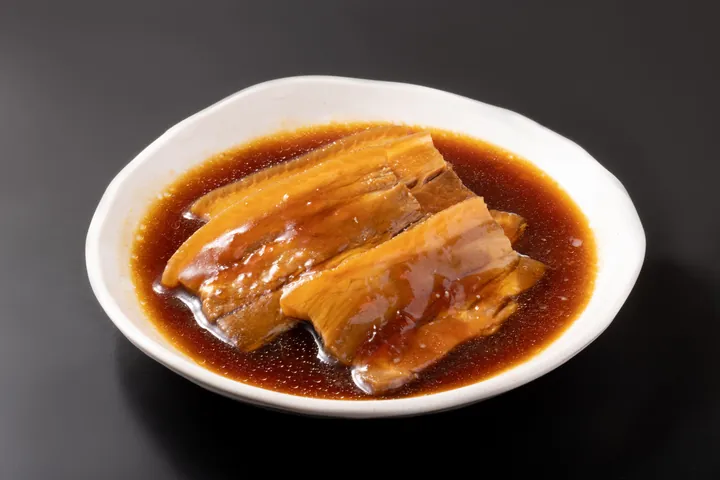
Rafute — pork belly braised in awamori (the local spirit) and soy; Agu, the island’s native pig
Regional dishes → Pork brands we profile from this region: 10 · Okinawa 10
15 Japanese Pork Dishes to Know Before You Go
Names, photos and hometowns — tonkatsu, katsudon, butadon, shōgayaki, tonkotsu and ten more, with how to order each.
Learn the namesOkinawaAgu Pork: Okinawa’s Native Japanese Pig
Agu is the island’s native pig — and the same word is written two ways on menus. Know the difference before you fly.
Read about AguKurobutaKurobuta: the 18 purebred Berkshire brands we profile
Japan’s black pork, brand by brand — and the prefectures where each one is raised.
See the 18 brandsAll regionsHow Many Regional Pork Dishes Does Japan Have?
We read the entire government database of 1,363 traditional dishes and went looking for the pork.
Start the seriesRead the menu, order with confidence
The words and cuts you will meet at a Japanese table.
Japanese Pork for First-Time Visitors
Pink-centered tonkatsu, paper-thin slices, milky tonkotsu — what surprises travelers, and how to eat it.
Read before you orderOn the menuHow to Say Pork in Japanese
Buta, ton or pōku? One kanji, two readings — the common pork words you will see on a menu.
Understand the termsAt the counterJapanese Pork Cuts Explained
Rōsu (loin), hire (tenderloin), bara (belly) — what the label means, and which cut goes into which dish.
Understand the cutsTonkatsu menuHow to Read a Tonkatsu Menu in Japan
Rōsu or hire, grams, 特・上・並, set or à la carte — and the line that names the pork brand.
Read the menuComing soon A road-trip series on Japan’s roadside stations (michi-no-eki) — the regional pork you meet along the way, one station at a time.
Four phrases for ordering pork
Read the English, then show the Japanese to the staff — or tap Copy and paste it into a translation app.
- Which pork dish do you recommend?おすすめの豚肉料理はどれですか?Osusume no butaniku ryōri wa dore desu ka?
- One of these, please. (Point at the menu.)これを一つください。Kore o hitotsu kudasai.
- What brand of pork is this?この豚肉の銘柄は何ですか?Kono butaniku no meigara wa nan desu ka?
- Could you write down the name? (So you can look it up later.)名前を書いていただけますか?Namae o kaite itadakemasu ka?
Understand what you ate
Find out what made it taste that way — the brand, the breed and the region behind the dish.
What Is Japanese Brand Pork (Meigara-buta)?
The name on the menu was a brand. Here is what that label actually means.
What the label meansBlack porkKurobuta Meaning: What Japanese Black Pork Really Is
Purebred Berkshire under Japan’s meat labeling standards — and why not everything called kurobuta is the same.
Kurobuta, explainedLook it upJapan Brand Pork Encyclopedia
Saw a pork name on a menu? Every brand we have profiled, by prefecture and by name.
Find the brandComing soon Make tonkatsu at home with locally raised pork — loin or tenderloin, thickness, panko, frying and sauce, with cuts you can buy where you live.
Before you order
Tonkatsu or tonkotsu — what is the difference?
Tonkatsu is a breaded, deep-fried pork cutlet. Tonkotsu is the creamy pork-bone broth used for ramen. Same first syllable, different dishes. Pork words on the menu →
The cutlet is pink in the middle — is that normal?
At a tonkatsu specialist, a faint pink at the center is the usual look of a thick cutlet fried at a lower temperature. Japan’s standard requires pork to be heated through, and pink alone does not mean raw — but color alone cannot confirm it either, so ask the staff if you are concerned. Thin slices for shabu-shabu are cooked in the broth until no longer pink. What first-time visitors notice →
Rōsu or hire — which cutlet should I order?
Rōsu is the loin with its fat cap: juicier, richer. Hire is the tenderloin: lean and tender. Most shops offer both; first-timers usually start with rōsu. How to read a tonkatsu menu →
Can I buy Japanese pork back home in the United States?
Not at present. Japan’s official export list shows pork to the US as not yet approved (checked October 13, 2026). “Kurobuta” sold in the US is usually Berkshire pork raised in the US — check the label. Source: Japan Animal Quarantine Service →
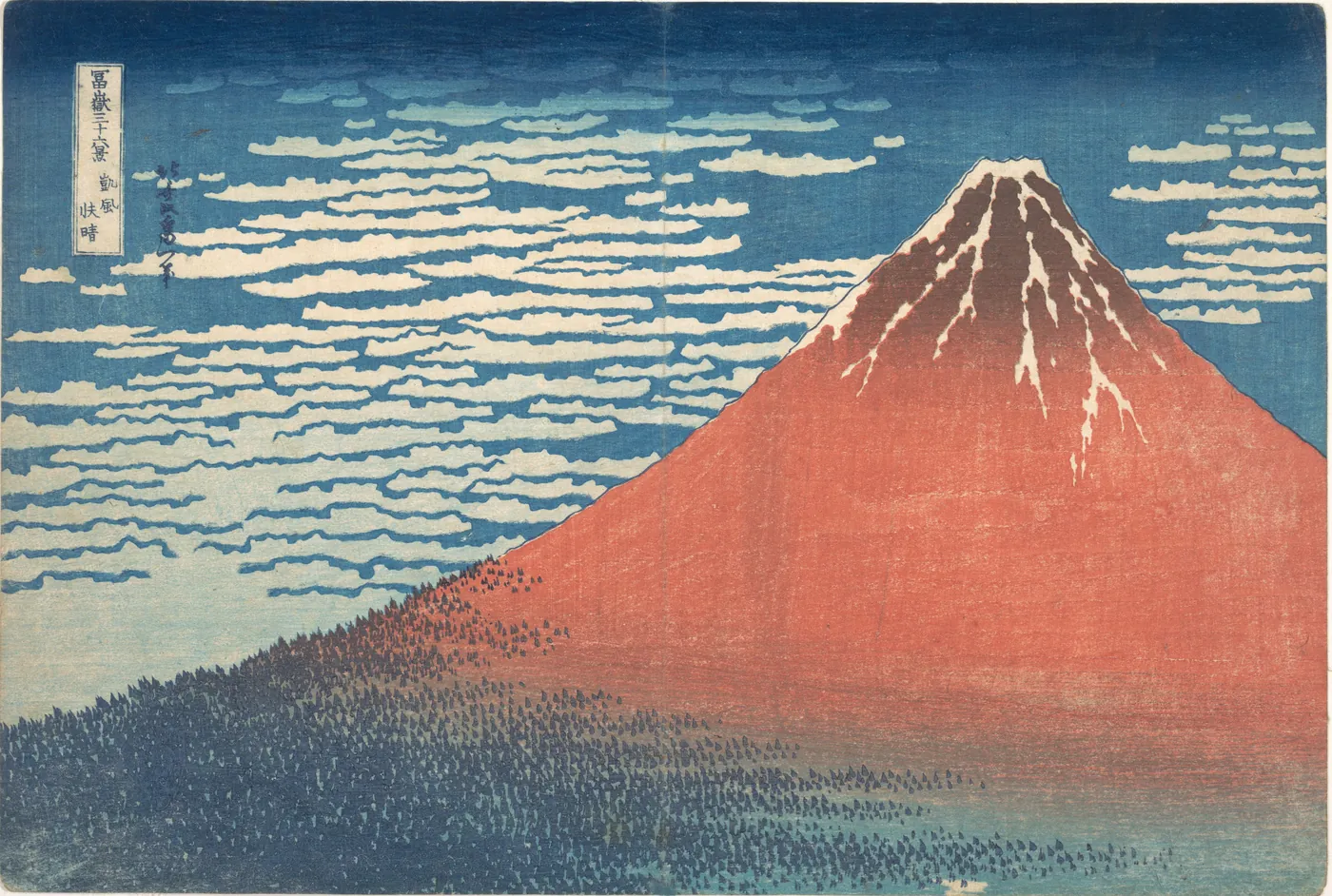
The print on this page: Hokusai’s Red Fuji, from the series that made Mount Fuji the symbol of a journey through Japan.
Discover the pork behind your meal
Every brand we have profiled, searchable by prefecture and by name. New to the basics? See Japanese Pork Basics.